Everything I tried led here.
From sneaker reselling at 13 to building AI platforms — eight years of ventures, lessons, and shipping.
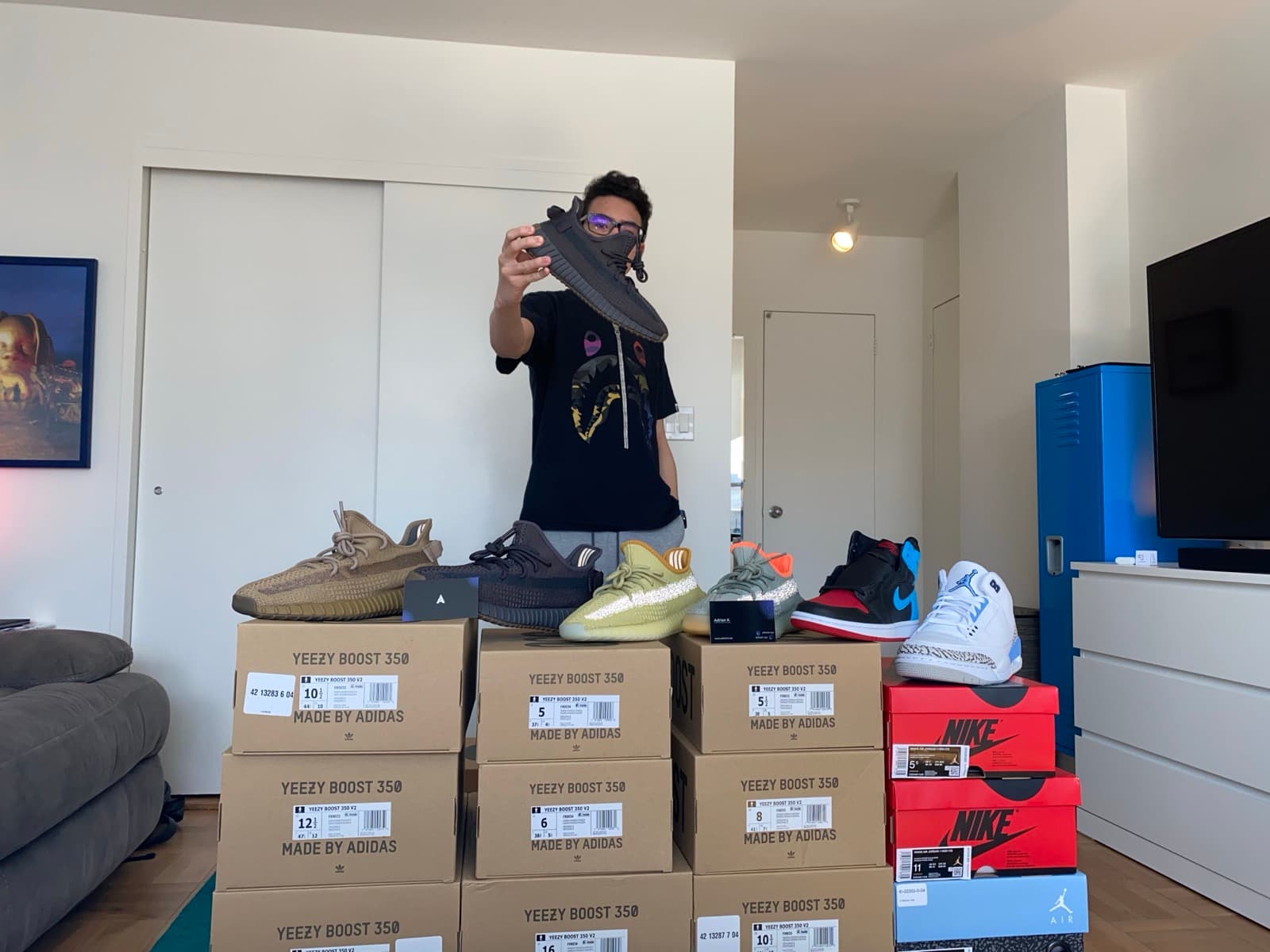
I started my first company at 13. I've built over 25 ventures since then — proxy companies, Discord communities, apps, agencies, Chrome extensions, NFT projects, a sports betting platform, and more. Along the way I had to teach myself everything: software development, design, marketing, motion graphics, video production, accounting, legal basics. Every hat a business needs, I wore it at some point. This is how I got here.
It started with a pair of Yeezys.
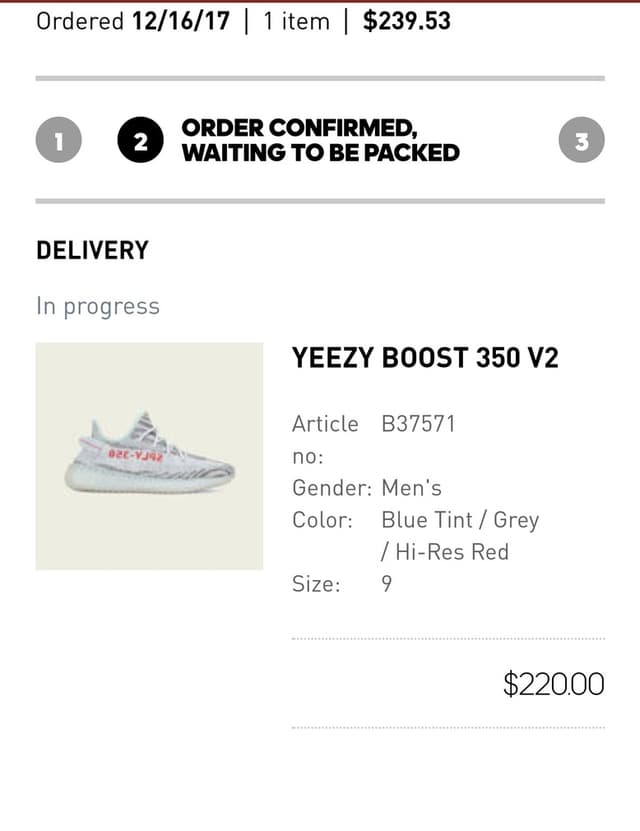
December 16, 2017. My brother Nick, who is 15 years older than me, had been into sneakers for years. He spent a lot of time waiting in lines for Jordans and knew the culture well. One year when he came home for the holidays, he introduced me to the online drop world for the first time. Yeezys at that point were absolutely insane. Kanye West's notoriety had supercharged the adidas collab, making the 350 V2 one of the most coveted sneakers on the planet. The Blue Tint dropping that day was one of the biggest releases of the year. Hundreds of thousands of people were queuing simultaneously, with pairs selling out in literal seconds.
We set up every device we could find. Multiple laptops, multiple phones, multiple browsers, all queued at the same time. We sat there for hours. Refreshing, waiting, getting knocked out of queues, jumping back in. Six hours in, we finally got through on one. The rush in that moment was unlike anything I'd felt. Just pure adrenaline. About 30 to 40 minutes later we managed to land a second pair. The feeling of securing something that almost nobody could get, after hours of trying, with a strategy — it just clicked for me immediately. I knew I wanted more of it.
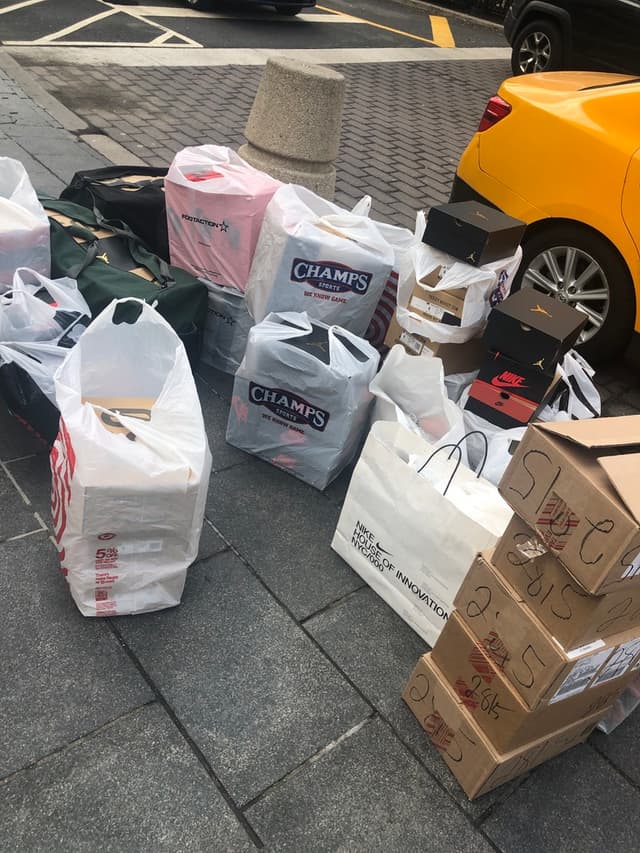
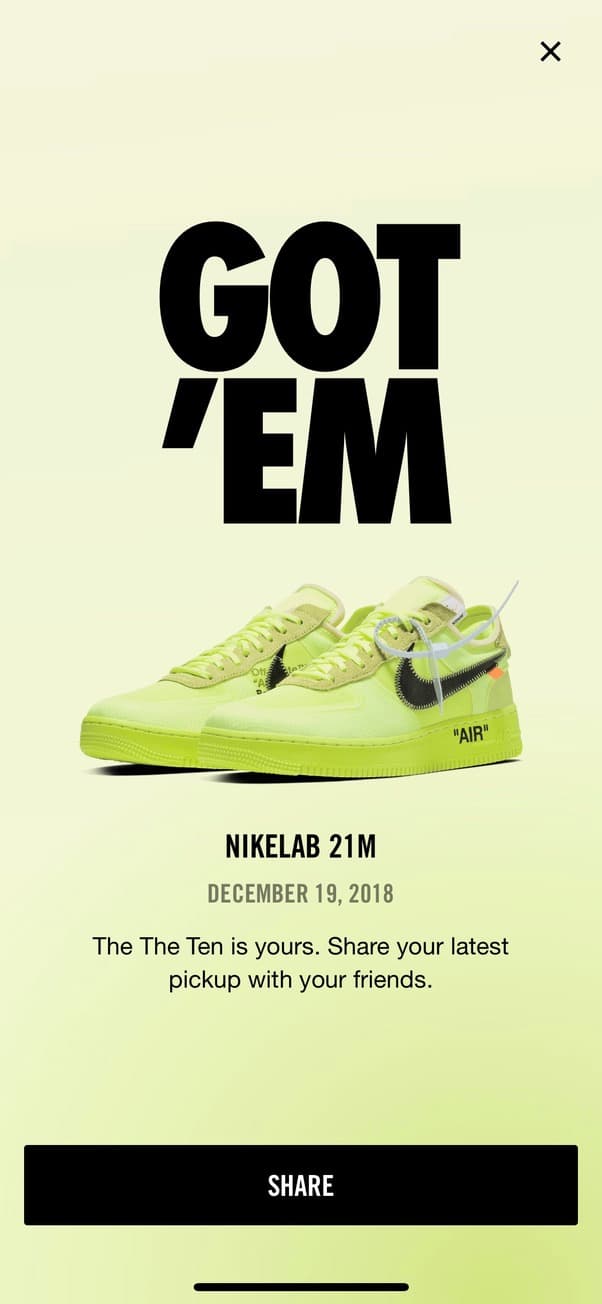
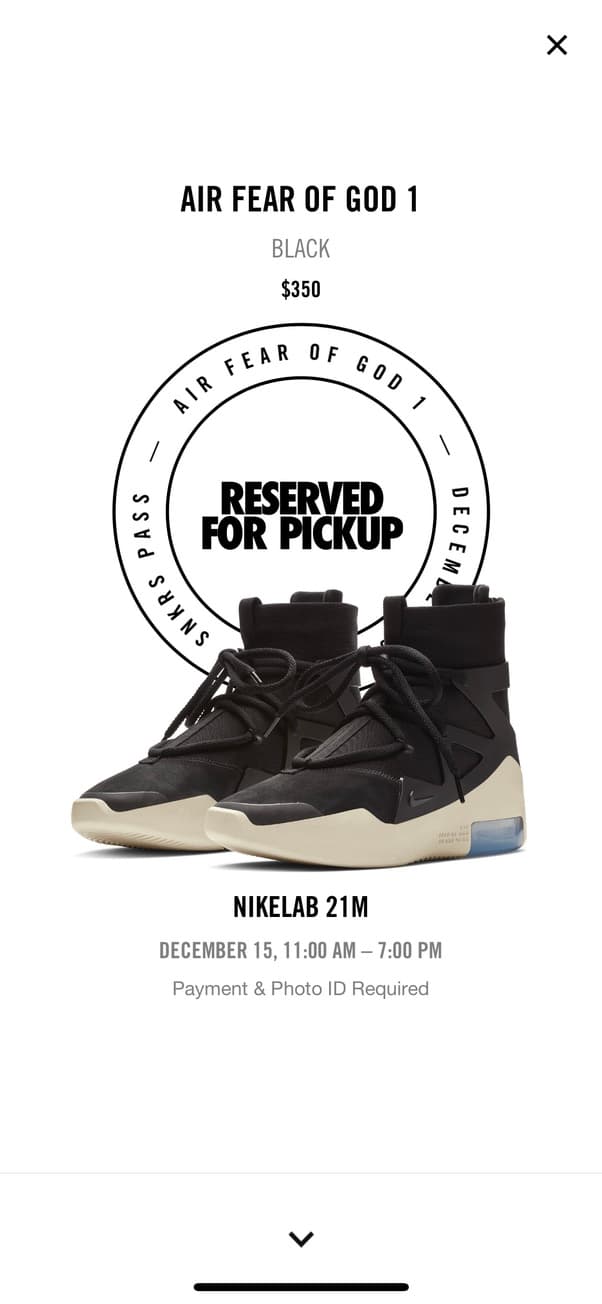
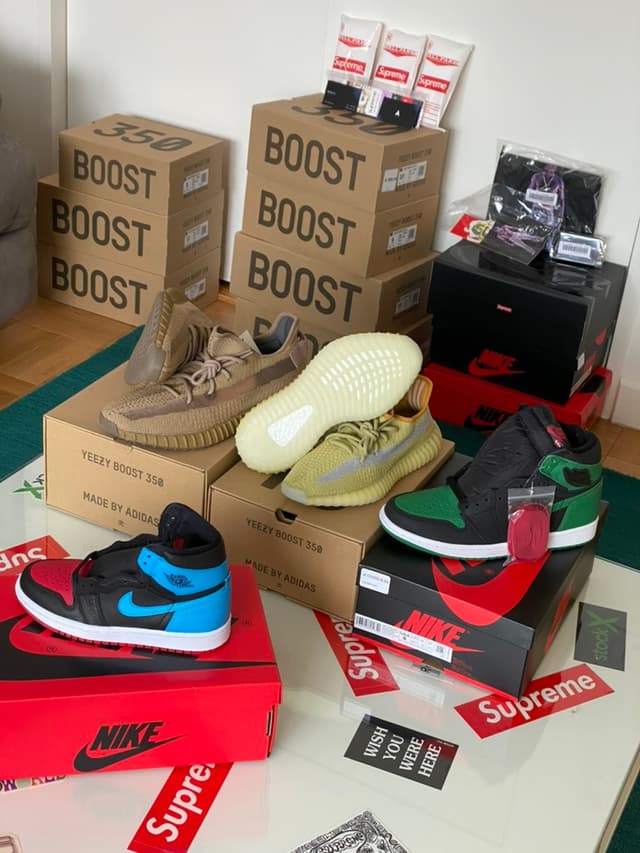
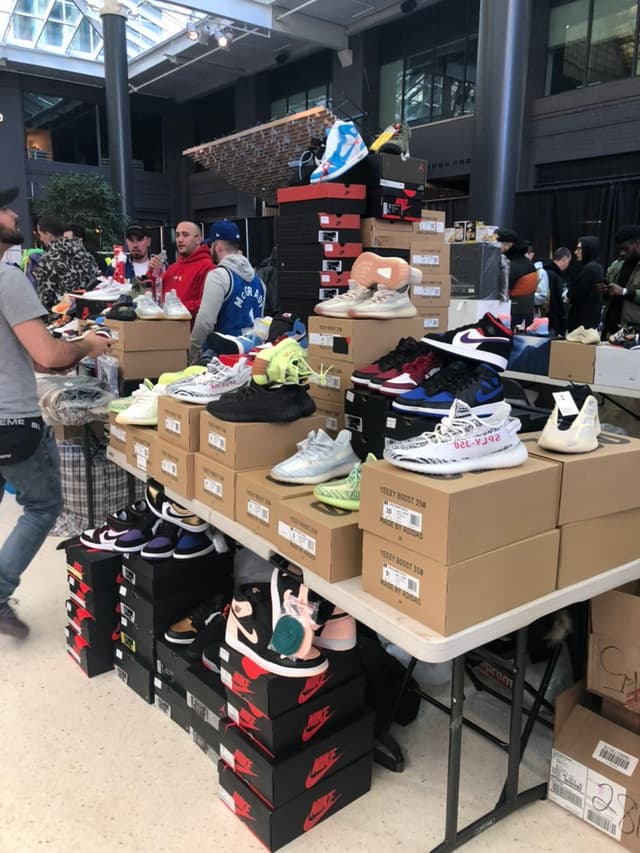
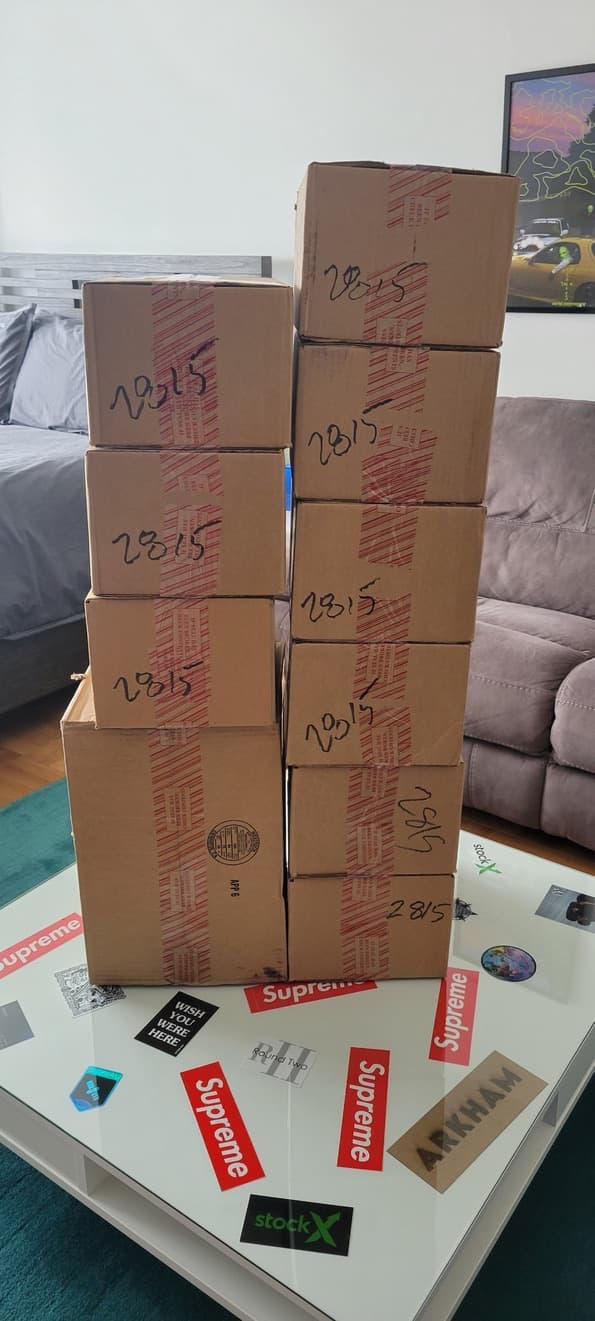
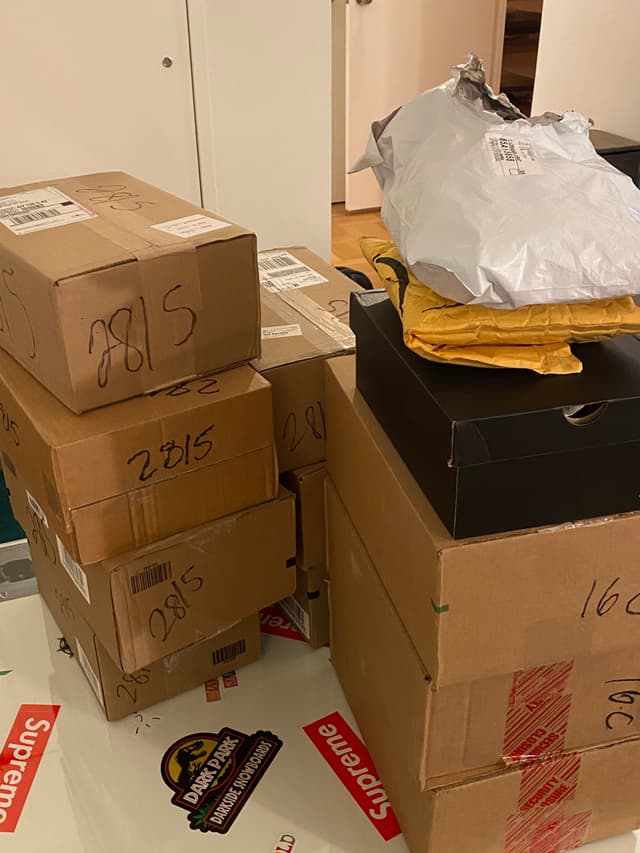
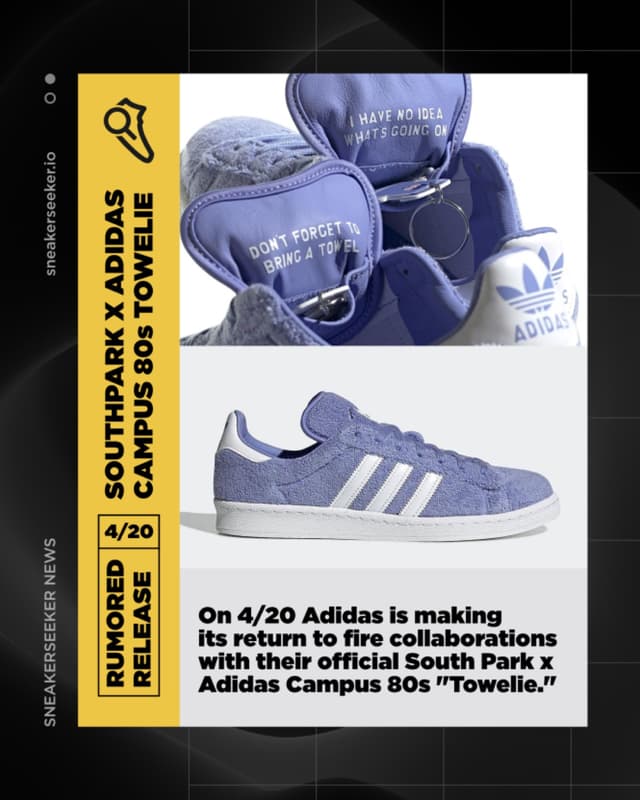
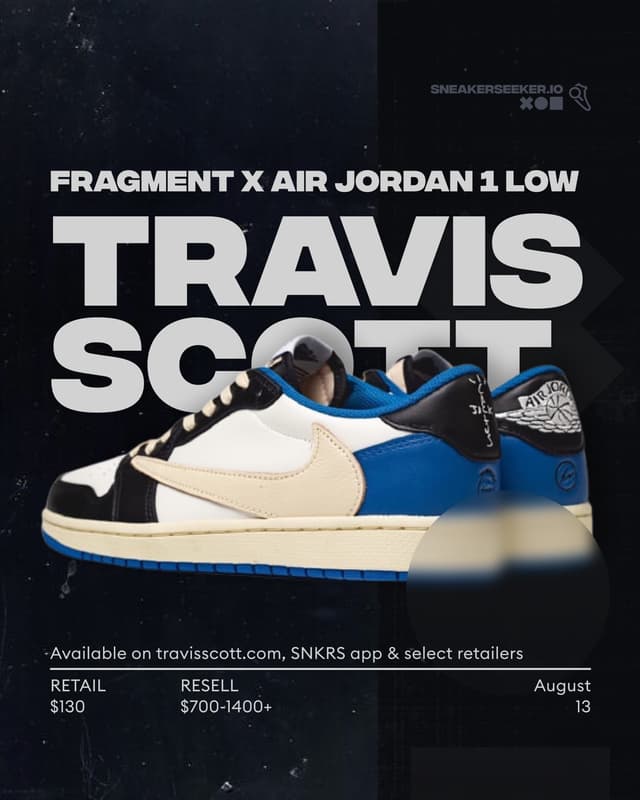
After that first drop, I just went deep into it. I was spending my weekends in SoHo, going to Supreme releases, following Bape, Off-White, Fear of God, all the big streetwear brands at the time. I started manually buying and reselling. Off-White Air Force Ones, Fear of God pairs, Jordan 1s, Jordan 4s, lots of Yeezys across different colorways. Within my first year, while I was still in middle school, I'd made a few thousand dollars in profit. At that age that was a lot of money to me.
Sneaker culture in 2017 and 2018 was just electric. Every drop felt like an event. People were genuinely obsessed. Standing in line for hours, refreshing pages, setting alarms. There was this whole community of people who just lived and breathed this stuff, and I completely found my place in it. I had a natural instinct for what was going to be big, what people were going to go crazy for. That felt really exciting to me.
Every drop felt like an event. People were losing their minds over these shoes — and I was right in the middle of it.
A YouTube rabbit hole changed everything.
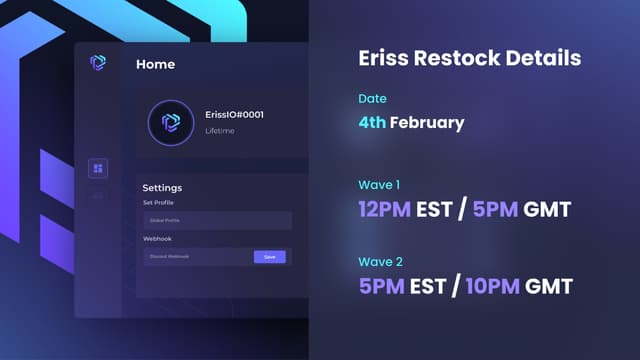
I started going down YouTube rabbit holes about botting. How people were using software to buy multiple pairs at once, basically automating the queue. That led me to do a lot of research, which led me to Discord, which led me to cook groups — private communities usually run on Discord where members pay a monthly fee to get access to sneaker release info, real-time restock alerts, and tips on how to actually cop. It was like discovering a whole underground world that had been operating right beneath the surface of everything I was already into.
I started building relationships with people across the space. As I launched more companies and got more involved, people started to know who I was. I became a pretty recognized figure in the community, which opened a lot of doors. People still reach out today — clients from that era who remembered me years later and came back for development work. That community is still part of my network.
To understand why proxies matter, you have to understand how botting works. When someone runs a sneaker bot, they're sending hundreds of purchase requests simultaneously from the same device. Retailers detect this immediately — if one IP address is making that many requests at once, it's obviously not a human. They block it, sometimes permanently. Proxies solve this by acting as intermediary servers, each with their own unique IP address, making it look like hundreds of different people from different locations are all shopping normally. Without proxies, bots are essentially useless. Every serious reseller needed them, and good ones were hard to find.
I came up with the idea myself, did all the research on how to actually source proxies, figured out the business model, built the Shopify store, built the website, set up the Twitter page, designed all the branding — everything A to Z. Then I brought Nick in. He was already doing reselling with me so he got on board immediately. He helped with the financial side and managing staff as we started hiring.
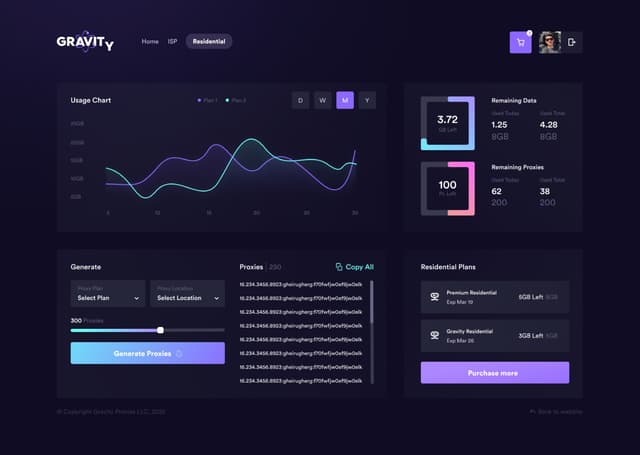
The early setup was genuinely clever, and I'm still kind of proud of it. Most people assumed you had to pay for proxies to resell them. What I figured out was: spin up instances on Google Cloud, Amazon, and a few other cloud providers, cycle through their free trials, generate the proxies, sell them, and keep the full margin without ever paying for the underlying infrastructure. We were literally running free proxies and selling them for profit. The margins were everything, and I figured that out at 13. That's what really got things going.
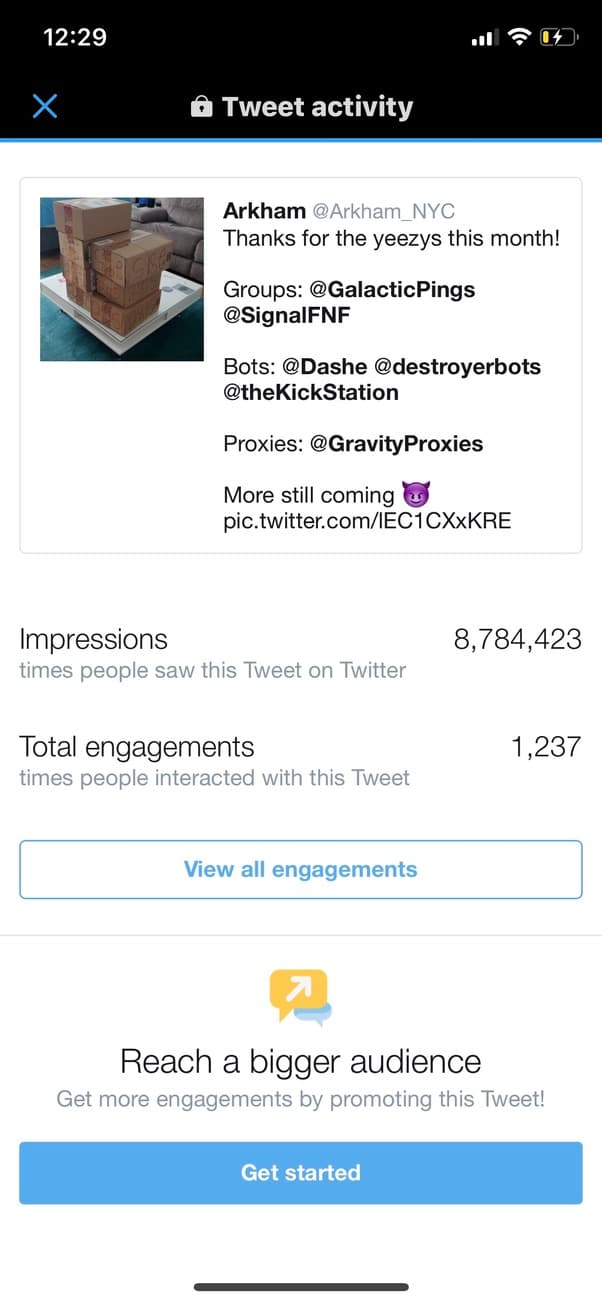
As the business grew, it got a lot more sophisticated. We moved into residential and ISP proxies, which are more effective for botting and command higher prices. Residential proxies route through real home IP addresses, making them nearly impossible for retailers to detect. ISP proxies sit in data centers but are registered with real internet service providers, giving you the speed of a data center with the legitimacy of a residential connection. We built scripts to manage deployments across multiple providers at scale. What started as free trial cycling became a real infrastructure operation. We grew through Twitter giveaways. Partnering with bots, groups, and other tools to cross-promote. Each party threw in prizes, everyone's following grew. It worked really well.
We were spinning up free cloud instances, generating proxies, and selling them for profit. Never paying for the infrastructure. I figured that out at 13.
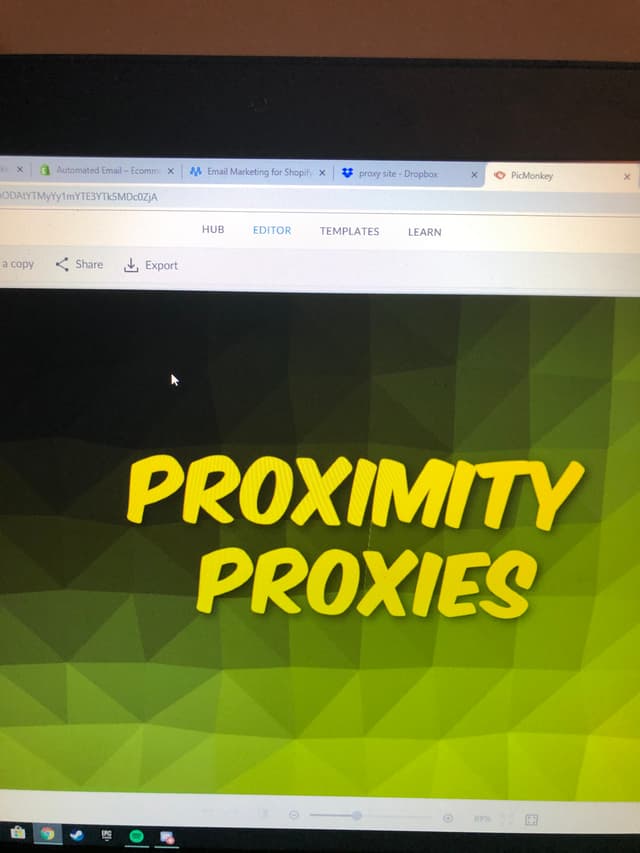
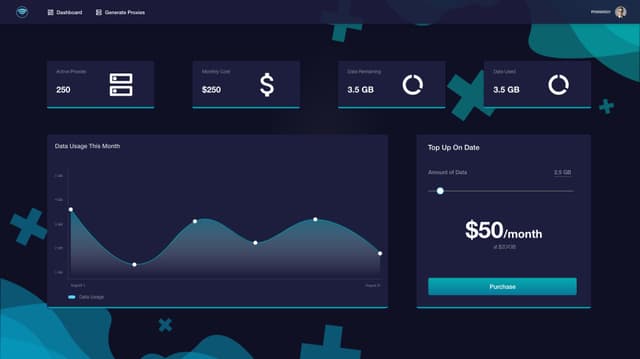




Three companies. Freshman year. 20–30 pairs a week.
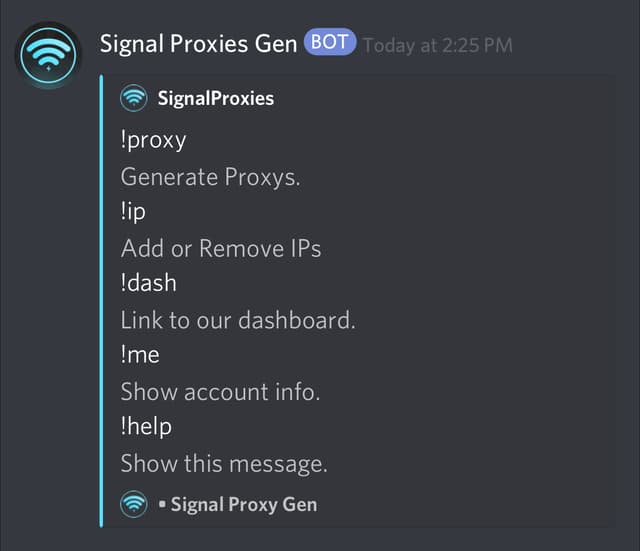
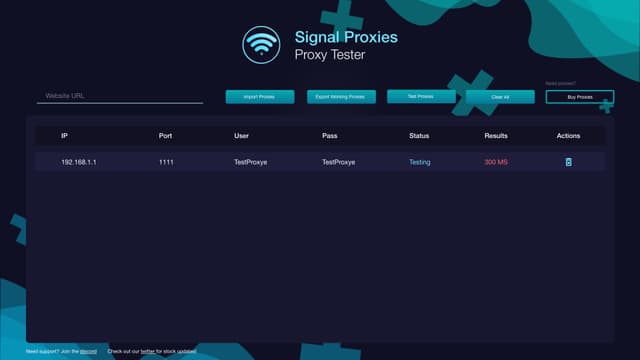
The proxy company went through four rebrands. Proximity, Flame, Signal, Gravity. Each one tied to a bigger partnership or a better positioning in the market. In July 2019, I co-founded Galactic Pings with Abdullah (Rei), someone I'd met through Discord who was based in London. That was my own cook group. By August 2019, I expanded into residential proxies, hired developers to build a custom dashboard, and was doing $2–3K a month in revenue.
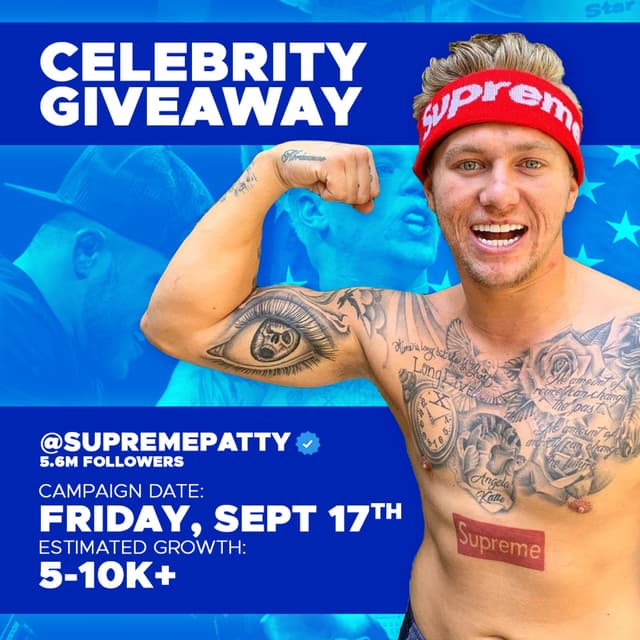
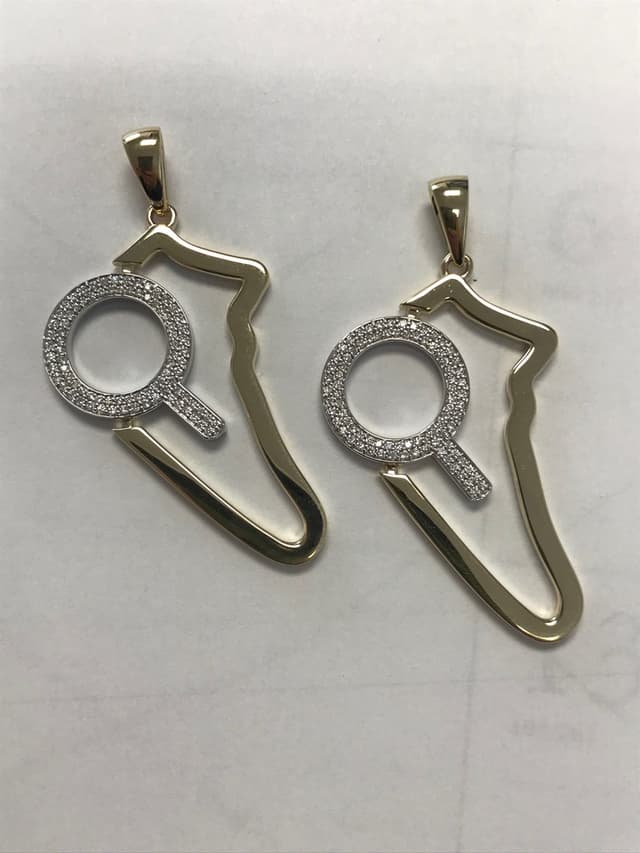
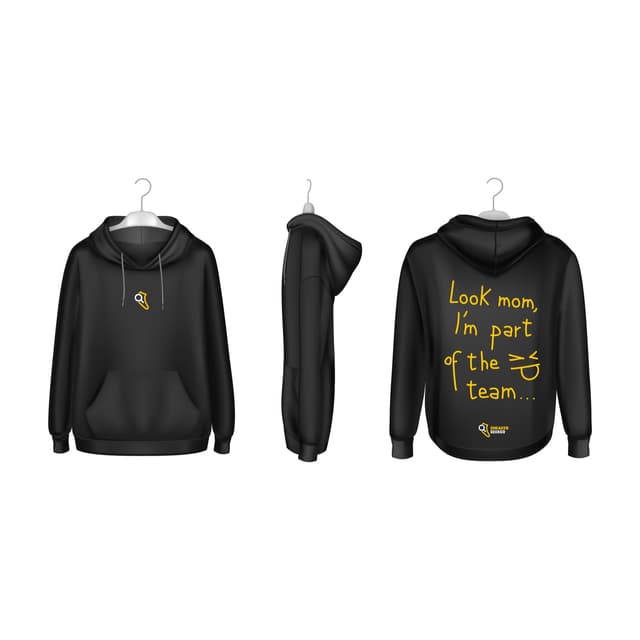
By early 2020, I was running three companies simultaneously as a high school freshman: Gravity Proxies, Galactic Pings, and Sneaker Seeker, a consumer app I'd started building out in November 2019. I launched Profit Gurus in March 2020, which was a social media PR agency I ran for sneaker brands. I was managing 10–12 accounts at $400–600 a month each, with other PRs working underneath me.
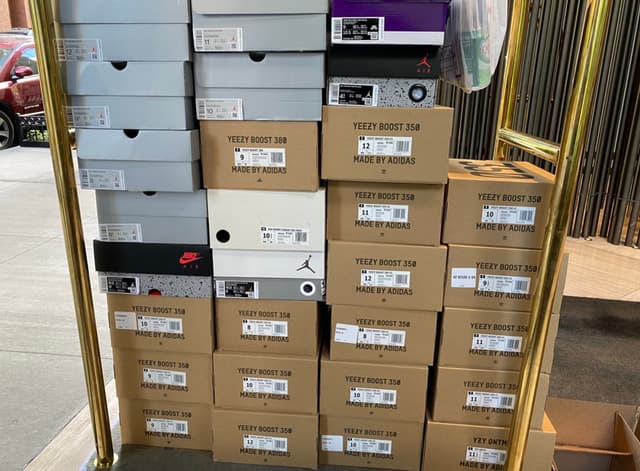
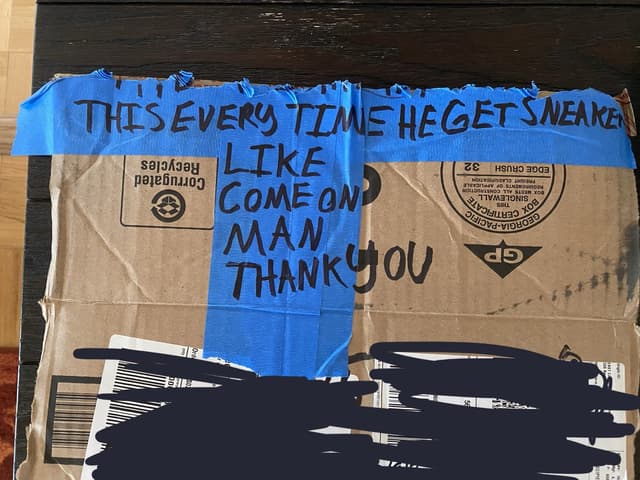
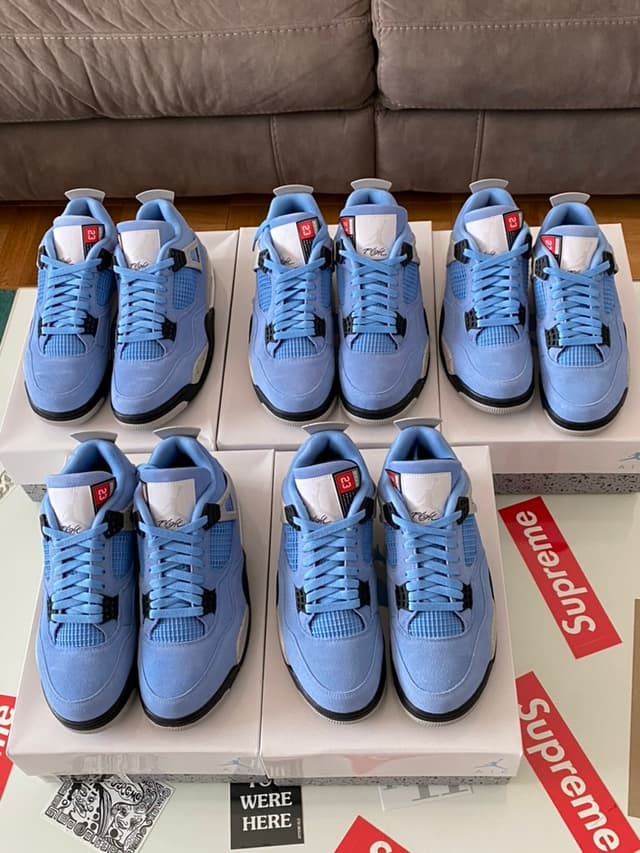
Peak sneaker reselling hit that spring. I was buying 20–30 pairs a week, all shipping to my apartment on the Upper East Side. To avoid getting flagged by retailers, we'd spoof the shipping addresses, intentionally scrambling them so no patterns could be detected. The side effect was kind of funny in hindsight: packages were constantly ending up at the wrong apartment. Neighbors were complaining, doormen were overwhelmed, boxes were stacking up in the lobby. I was 14, running a sneaker operation out of a New York City apartment building.

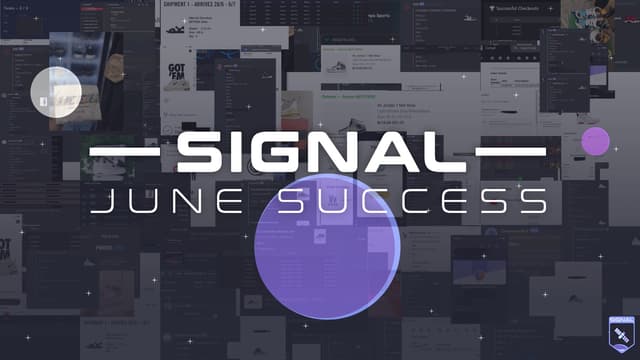
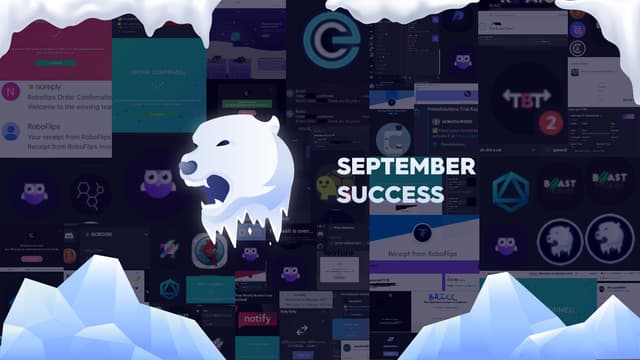
“I wasn't just building products — I was designing the brands, making promo videos, writing the copy, running the social. Every role that normally takes a whole team, I was doing alone.”
At some point I just got so tired of going back and forth with different developers and designers across all my companies. I was constantly managing contractors, explaining my vision, waiting. So I decided to just learn it myself. I started with Adobe XD for design, then taught myself HTML by watching YouTube videos and coding along. I'd learn something and immediately apply it to one of my own businesses. Revamping a website, building a dashboard, launching a new service. There was never a gap between learning and shipping.
I progressed to CSS, then JavaScript, then full stack. When I was much younger I had done some programming and 3D design courses, so the foundation was already there. I always had an interest in it, but I never cared to apply it to anything until I had real projects I actually cared about. Having companies I was building, products that mattered to me — that's what finally gave me something to put that focus into. My first true end-to-end solo build was CapnCovers (link) — authentication, payment processing, subscriptions, mobile-friendly dashboard, everything. That's when I knew I'd actually become a developer.
Adobe XD → HTML → CSS → JS → full stack. Every skill applied immediately to something live. No tutorials for the sake of it.
Sneaker Seeker ships. 15k downloads. Building nonstop.
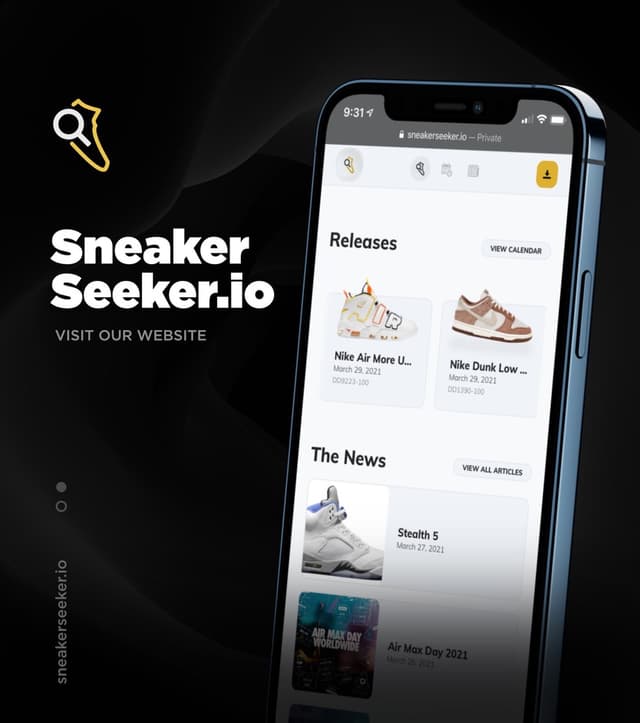
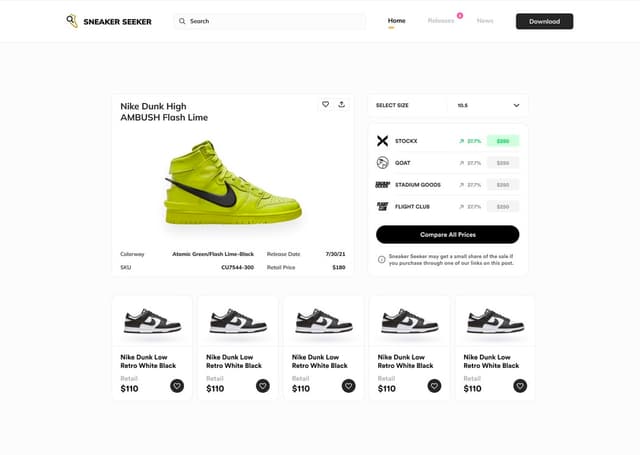
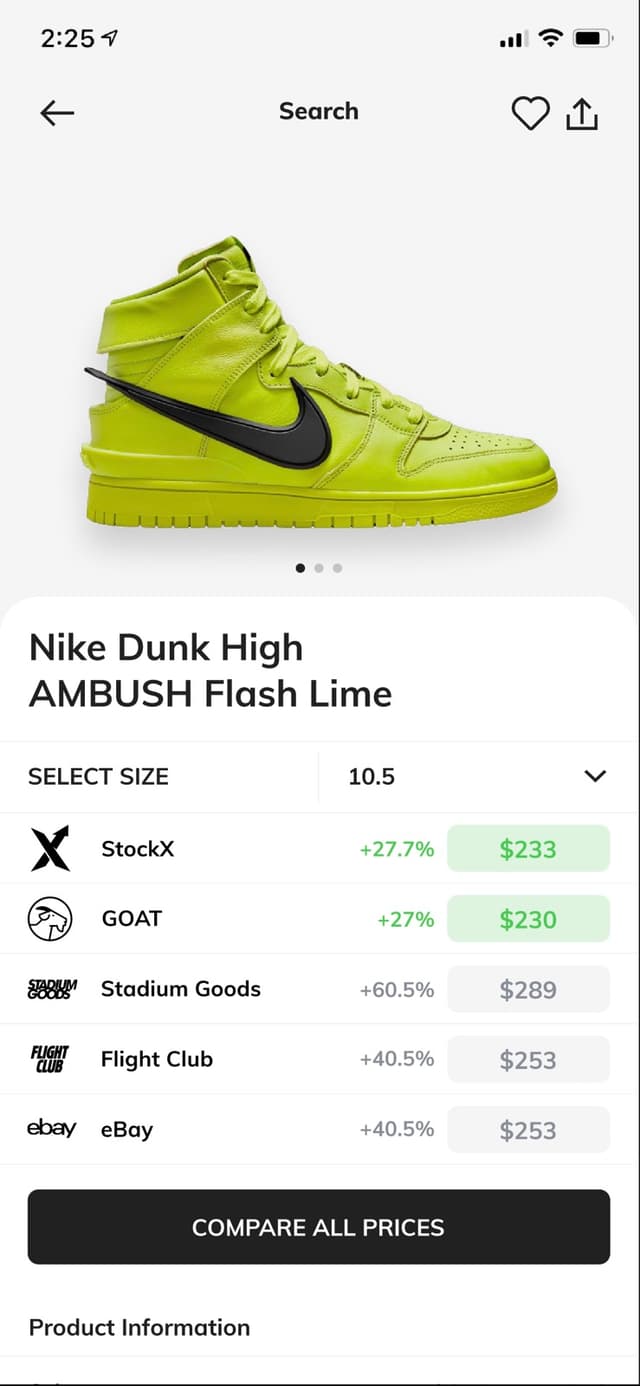
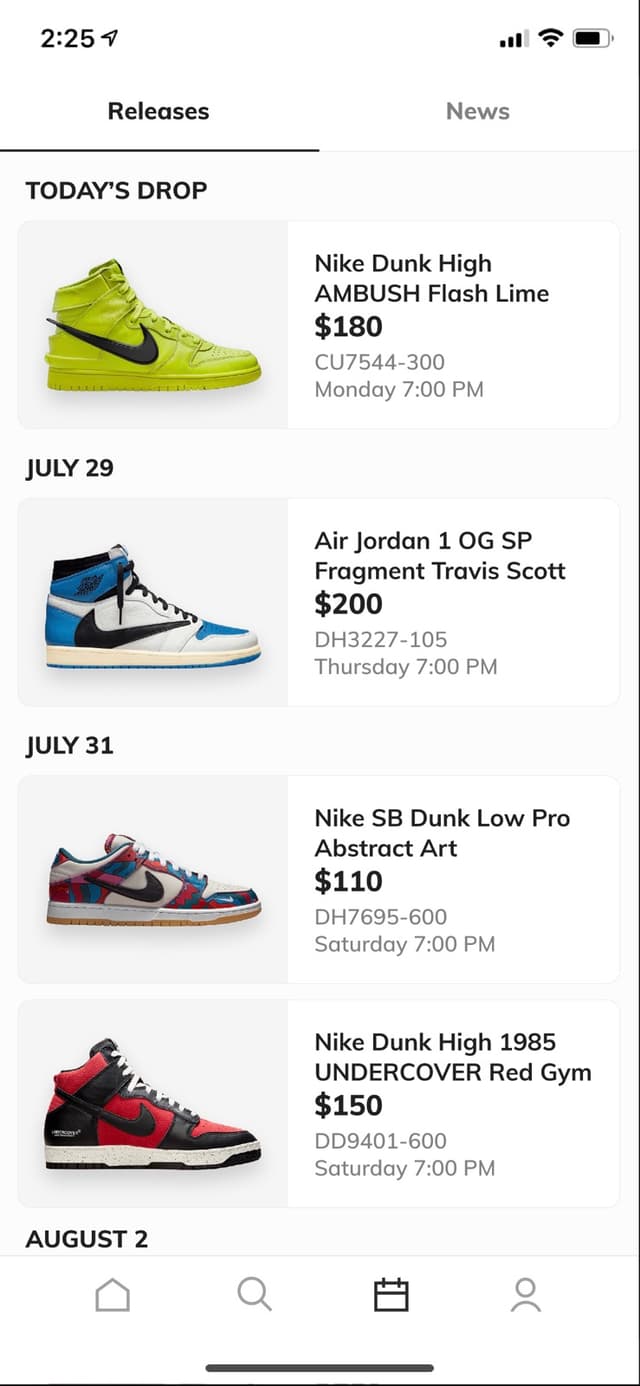
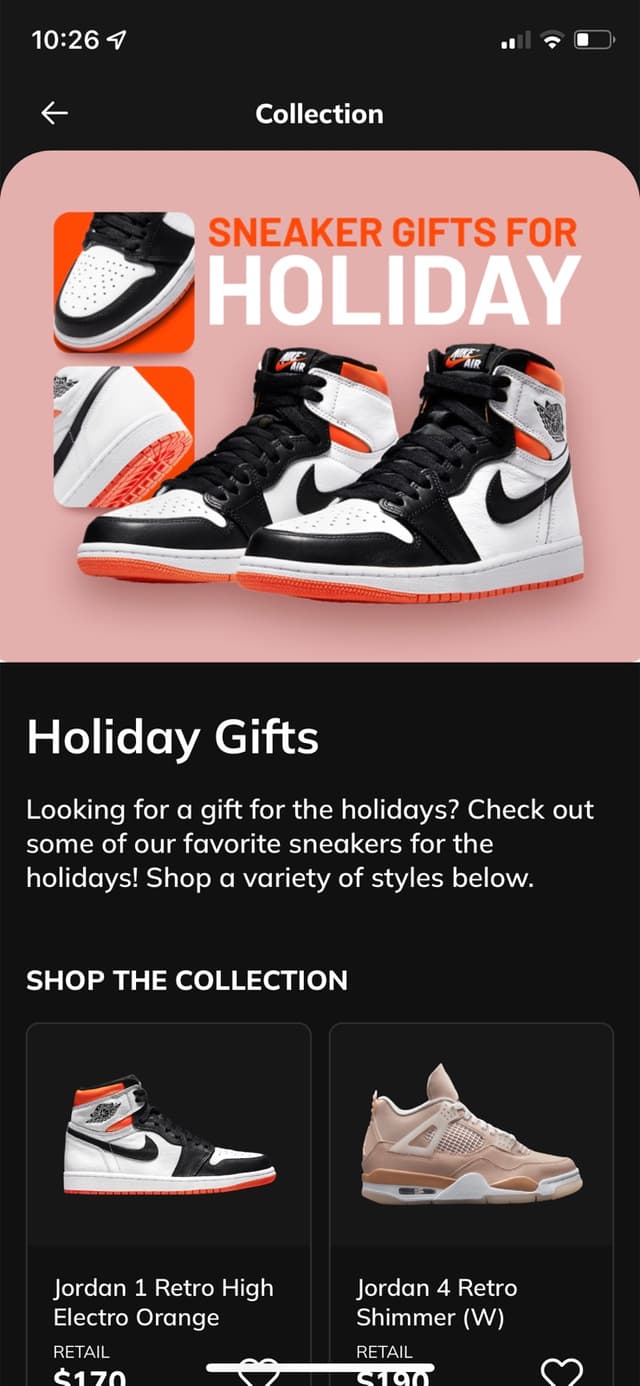
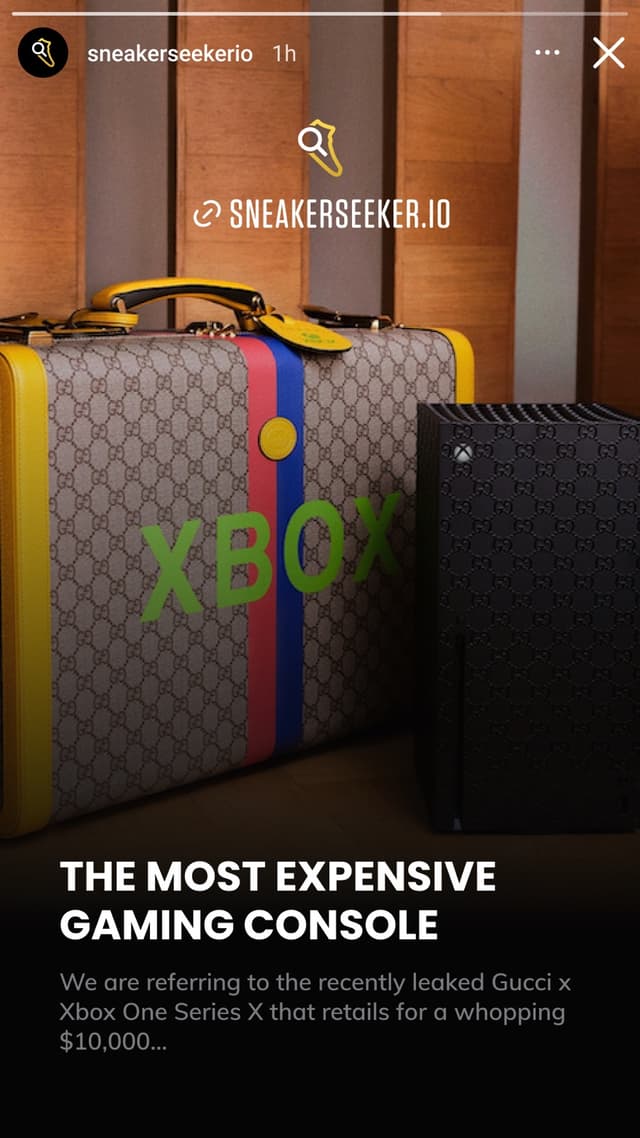
Sneaker Seeker launched on the App Store on June 2, 2021, over a year and a half after I first came up with the idea. Sneaker Seeker was essentially the Expedia for finding shoes. We aggregated retailers and resale marketplaces — StockX, GOAT, Flight Club, Stadium Goods, and retail suppliers — so users could find any shoe at the cheapest price available, while also verifying authenticity to make sure they weren't getting scammed with fakes, which was a very real and widespread problem at the time. We got 15,000 downloads in the first three months and built up 20,000 Instagram followers. The marketing worked really well. The real-time price checker was the problem. It was inconsistent, had downtime, and I went through multiple engineers trying to get it stable. After about a year of really trying to solve the engineering side, we ended up shutting it down. That was frustrating, but I learned a lot.
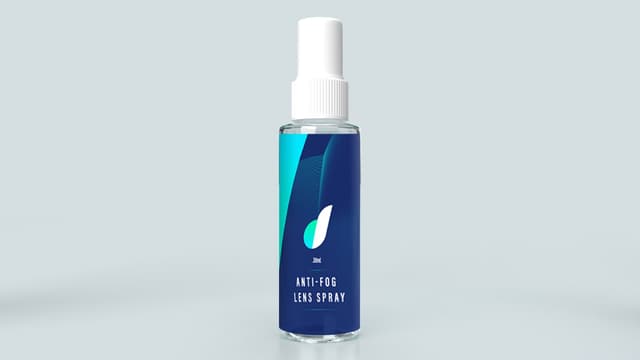
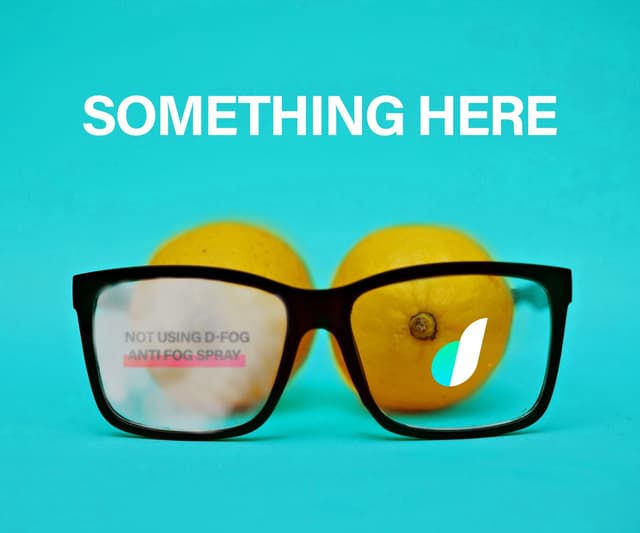
In parallel I was building a lot of other things. DFOG, a dropshipping brand for anti-fog glasses solution during COVID. Giveology, an Instagram giveaway business I ran with Resellology. Blackbeard, an NFT analytics desktop app I built and had equity in. Bluff, a prediction market and online casino. Then Resellology+ launched in July 2022, a premium subscription community and mobile app built on Resellology's 300k audience. We hit $50–60K in under six months. The sneaker reselling market started declining post-COVID though. Fewer releases, less hype, shrinking margins. We decided to wind it down rather than keep members paying into something that wasn't delivering for them anymore.
Eight years in. Still going.
I started my first company at 13. I taught myself to code at 15 because I had to. I was CTO of a startup at 19. Something I'm really grateful for throughout all of this is the people I've met along the way. I've been able to build a community of engineers, designers, marketers, and operators from all over the world — people with vastly different skill sets and backgrounds who I've gotten to work and grow with. Some of the best friendships I have came out of this journey, including people I met in Discord servers at 13 that I'm still building with today.
In March 2024, I became the CTO of Anvara, an ad tech startup building what I'd describe as Airbnb for sponsorships — a B2B marketplace connecting brands to real-world advertising inventory like stadium ad space, billboards, and even coffee shop sleeves. I built the whole platform end-to-end: marketplace, proposals, contract system, real-time messaging, and post-deal analytics. I genuinely enjoyed my time there and the work we were doing. But I knew deep down that I needed to be a founder. I needed to have ownership of something that was fully mine — and that feeling only grew stronger over time. I left in May 2025 to go all in on Sculpt.
Sculpt is an AI-powered fitness app I'm building with Abdullah (Rei), my co-founder from London who I've now been working with for years. The problem we're solving is simple: fitness is still incredibly fragmented. People are bouncing between workout apps, nutrition trackers, YouTube tutorials, and written programs, with no single system that actually connects all of that and adapts to how your body is performing. Sculpt brings it all together. Smart workout tracking, nutrition logging with AI food scanning, personalized plans that update automatically as you get stronger, and an AI assistant you can ask anything — what to eat, how to warm up, whether to push through soreness, what weight to use today. The whole thing is built around one idea: your training should adapt to your body, not the other way around. We're already live on the App Store, loved by over 1,000 users, and just getting started.
AI-powered fitness app. Smart workout tracking, nutrition logging, and personalized plans that adapt as you get stronger.
Visit sculptai.io →Full Archive
Every venture — 2018 to presentLet's build something together.
Whether it's a project, a partnership, or just a conversation — I'm always open to connecting.
Say hello